Canada Expands Bilateral Air Transport Agreement with Cote d'Ivoire
New intergovernmental framework establishes expanded weekly frequency allocations and open codeshare opportunities connecting key Canadian hubs with emerging West African routes.
Comprehensive editorial reporting, operational analysis, and carrier developments across regional and international Canadian air corridors.
New intergovernmental framework establishes expanded weekly frequency allocations and open codeshare opportunities connecting key Canadian hubs with emerging West African routes.

Airport authorities and airline executives debate the operational ramifications of proposed long-term infrastructure governance models across national terminals.
Essential primer articles structured for new readers to understand regional transport agreements, operational partnerships, and airport infrastructure developments across Canada.
An introduction to federal infrastructure policy and ongoing industry consultations regarding governance models for major hubs across the nation.
Explore regional connectivity and northern route coordination through this comprehensive overview of domestic carrier interline agreements.
Explore dedicated sector desks covering carrier operations, airport infrastructure developments, and fiscal analytics across Canada's civil aviation corridors.
Fleet upgrades, route rights, bilateral air transport accords, and carrier market developments.
Terminal expansions, runway modernizations, concession frameworks, and cargo logistics centers.
Regulatory frameworks, economic oversight briefs, traffic metrics, and business aviation data.
The newly inaugurated logistics center expands cold-storage capabilities and freight volume throughput connecting southern manufacturing corridors with northern regional communities.
Corporate flight departments and charter operators across the country respond to updated fiscal tax provisions accelerating fleet modernization cycles.
Key performance metrics, passenger volume trajectories, and fleet distribution across major Canadian hubs and regional corridors.
Movement distribution data gathered from Canadian commercial aerodrome tower registries.
Network Update
New regional routes support enhanced passenger connectivity across southern Ontario.
Infrastructure
Terminal adjustments impact passenger transit areas during planned seasonal upgrades.
Detailed operational review analyzing commercial passenger throughput, regional seat capacity factors, and traffic metrics across Canadian primary air corridors.
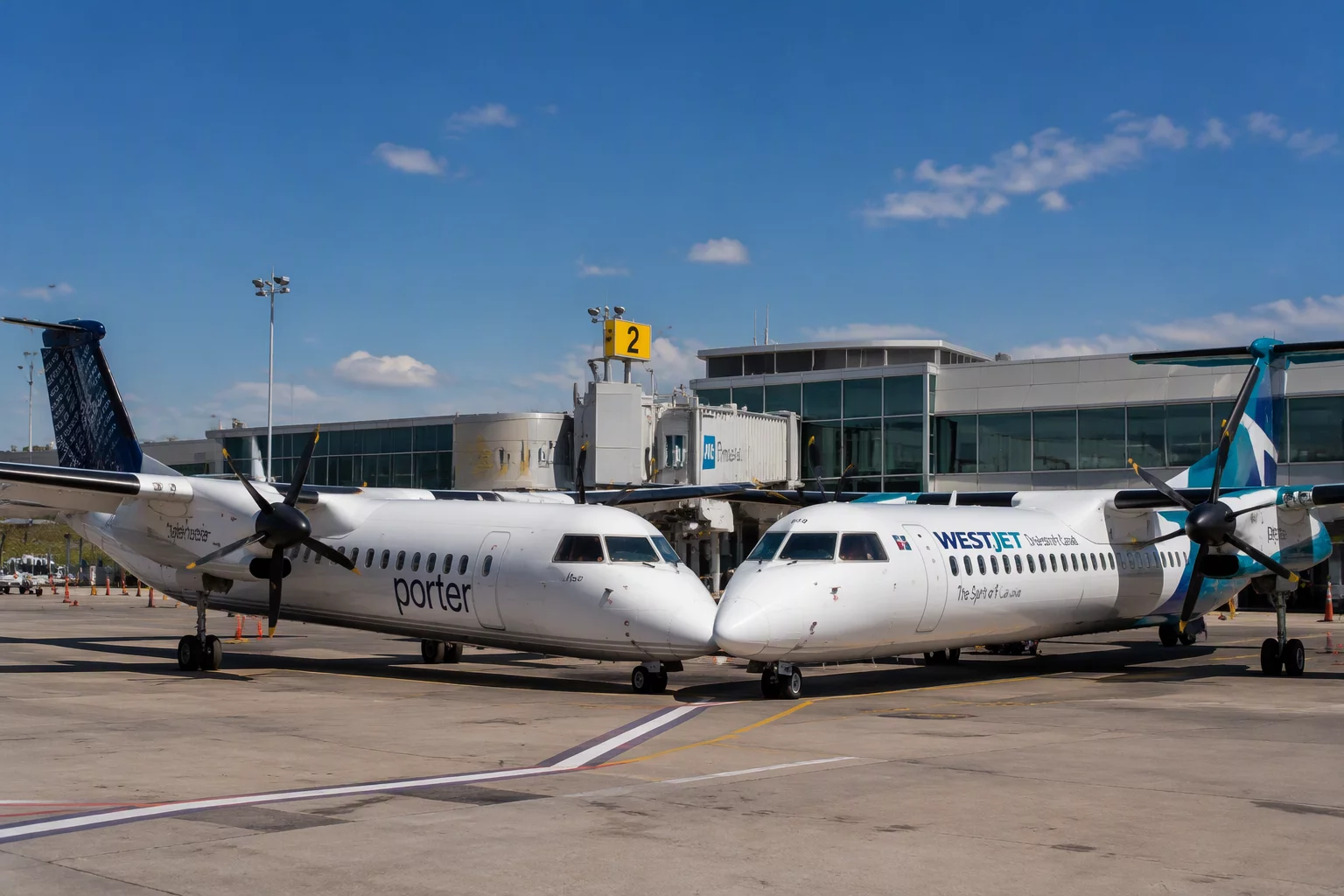
Incident summary reporting ground contact between aircraft during low-speed taxiing procedures, inspection protocols, and flight schedule adjustments.
Independent thought leadership, sectoral commentary, and critical assessments on the future of Canadian air transport systems.
The viewpoints and critical opinions published in this column are solely those of the respective contributing aviation analysts and industry specialists. They do not necessarily reflect the official consensus, guidance, or organizational perspective of the editorial board.
A critical examination of how concession agreements could reshape hub governance, operational flexibility, and passenger amenities across major Canadian transit terminals.
An analytical review outlining operational friction, network scheduling adjustments, and the practical challenges regional operators face in sustaining high-frequency domestic routes.
Essential Canadian commercial aviation definitions, regulatory terms, and operational concepts explained in concise detail.
The regulatory right for an airline to carry revenue traffic between two foreign countries on a flight originating or ending in its home country.
A commercial agreement allowing passengers to travel across multiple airlines on a single integrated itinerary and baggage tag.
A formal treaty between two sovereign nations governing flight frequencies, designated carriers, route rights, and safety compliance.
A long-term contractual lease allowing a private entity to finance, operate, and maintain terminal or cargo facilities under federal oversight.
Statutory mechanisms designed to supervise airport landing charges, terminal handling fees, and prevent monopolistic service pricing.
The controlled runways, taxiways, and ramp sections utilized for aircraft maneuvering, pushback, and ground service coordination.
Glossary definitions are maintained in accordance with Canadian Civil Aviation Regulations (CARs) and International Civil Aviation Organization standards.