Escalating Fuel Costs Stifling Early Summer Momentum
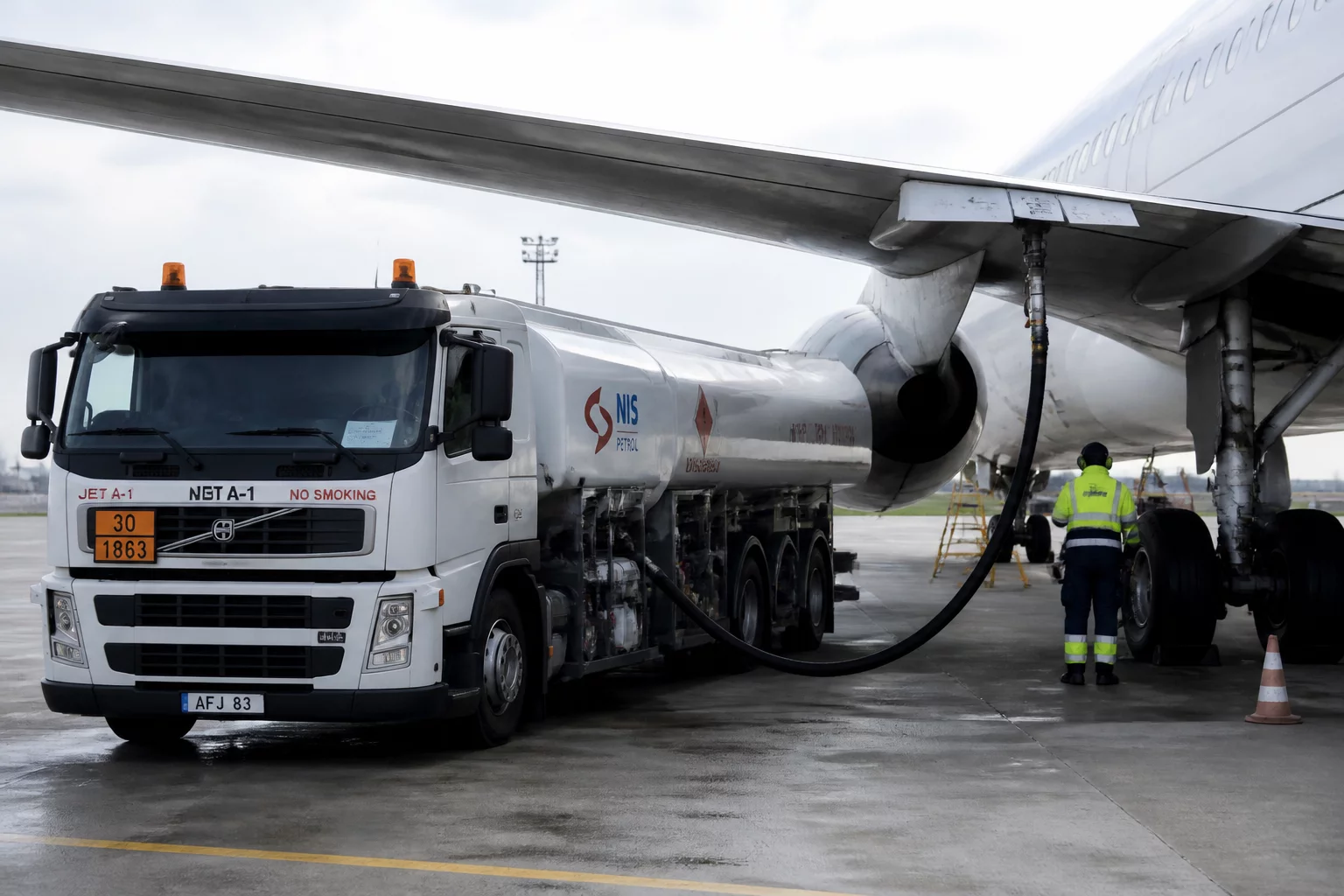
Across major Canadian transport hubs from Vancouver (YVR) to Halifax (YHZ), commercial air carriers encountered severe margin pressure as the summer travel season commenced. While passenger numbers remained above baseline volumes from previous cycles, the pronounced acceleration recorded during early spring tapered off abruptly throughout June. Jet-A wholesale prices surged, compelling airline network planning teams to trim secondary flight frequencies and reconsider high-frequency leisure corridors unable to absorb elevated fare structures.
The cost pressure proved especially demanding for regional operators and low-cost carriers where limited liquidity cushions provide minimal buffer against widening refining crack spreads. Rather than flying half-filled secondary rotations at a loss, carriers implemented tactical capacity rationalization. Systemwide seat occupancy eased by just over a percentage point, reflecting consumer sensitivity to fare adjustments and ancillary charge increases.
When aviation kerosene commands more than thirty percent of operational expenditures, expansion must yield to balance sheet discipline. Operators are flying smarter rather than larger.
— Paul Garcia, Senior Transport Analyst
Transborder Deceleration and Asset Reallocation
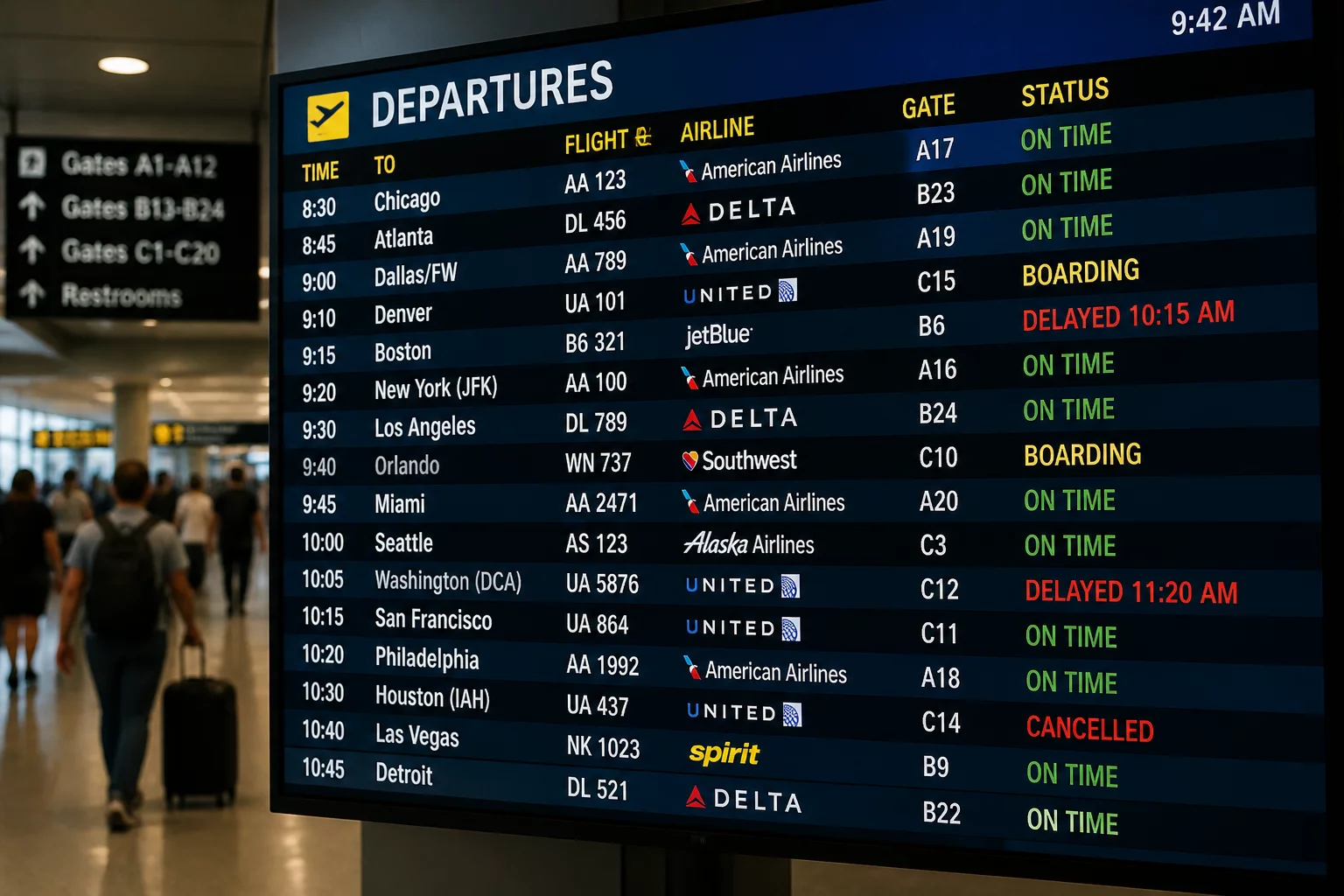
Transborder routes between Canadian urban centres and United States destinations experienced the sharpest deceleration. Currency exchange differentials coupled with steep lodging rates across key American sunbelt and metropolitan markets caused leisure travelers to reconsider discretionary international itineraries. Many travelers opted for shorter domestic trips or regional surface travel instead. In response, domestic carriers reduced cross-border seat capacity by 2.4% during June, redeploying modern narrowbody airframes onto robust commercial routes between Toronto, Montreal, Calgary, and Edmonton.
Long-haul intercontinental corridors to Europe and Asia maintained comparatively stable yields, sustained by international premium cabin sales and early corporate bookings. Cargo tonnage, however, dropped 3.1% year-over-year as industrial air freight velocity moderated in response to broader international supply chain realignments.
Tactical Industry Countermeasures
To shield balance sheets against ongoing fuel volatility and shifting consumer demand, Canadian airline executives enacted multiple operational adjustments during June:
- Core Route Consolidation: Reallocating airframes from low-yield leisure segments to high-frequency domestic business corridors with established yield stability.
- Accelerated Fuel Hedging: Expanding short-term forward contracts to lock in aviation fuel delivery prices through the remainder of the peak season.
- Fleet Efficiency Upgrades: Prioritizing deliveries of fuel-efficient narrowbodies, such as the Airbus A220-300 and Boeing 737 MAX, while retiring legacy airframes.
These decisive measures underscore an industry-wide commitment to sustainable capital preservation over raw capacity growth, positioning Canadian carriers to maintain financial stability through the second half of the year.


Dispatch Responses
No editorial responses yet. Be the first to submit a verified comment on this dispatch.
Leave a Response