Sequence of Events on the Apron
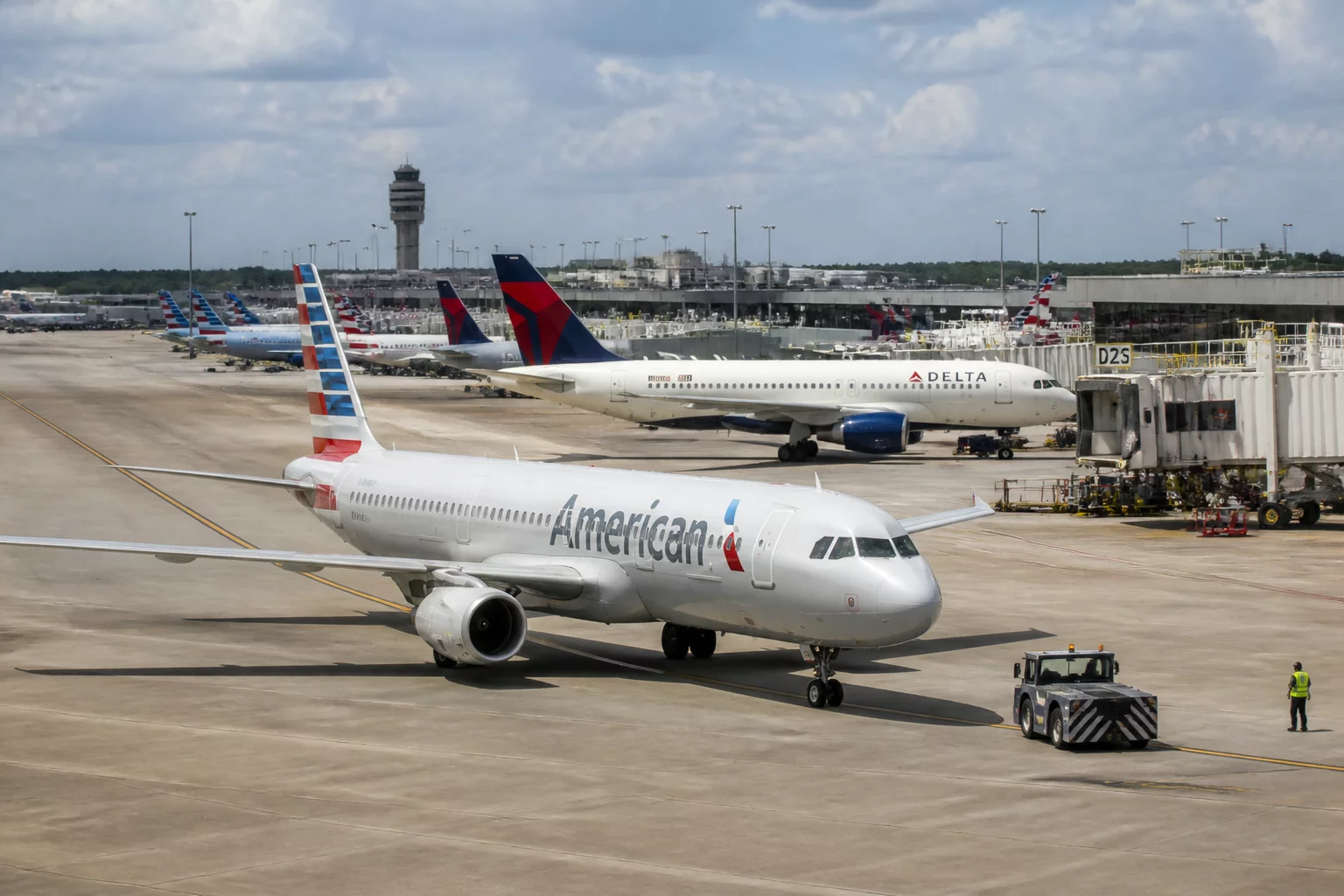
The incident occurred during morning departure operations as Air Canada Flight AC884 was pushed back from gate 64 at Terminal 6. At the same time, an inbound Delta Air Lines aircraft was taxiing slowly along the adjacent connector towards its assigned parking position. Because of narrow maneuvering corridors in the south terminal complex, the left wingtip of the Air Canada jet made contact with the horizontal stabilizer of the Delta aircraft at minimal taxi speed.
Flight crews on both aircraft immediately stopped all engines, locked braking systems, and notified LAX Ground Control. Airport fire and rescue services were dispatched as a standard precautionary measure, confirming within minutes that no fuel spills or structural ignition hazards were present.
"Ground traffic management in busy international terminals requires strict clearance margins, especially where wide-span winglets meet historic apron dimensions."
— Surface Operations Safety Review, Transport Canada Liaison
Passenger Deplaning and Fleet Impact
Following initial safety verification by airport ground response crews, both aircraft were held on the tarmac until mobile airstairs and dedicated apron transit buses were positioned to transport travelers back to their respective terminals:
- All 138 passengers and six crew members aboard the Vancouver-bound Air Canada flight deplaned safely without any recorded injuries.
- The Delta aircraft carrying 162 passengers was safely evacuated to Terminal 2 via organized bus transfers with luggage safely routed.
- Both air carriers deployed replacement aircraft later in the afternoon to accommodate affected travelers with minimal schedule disruptions.
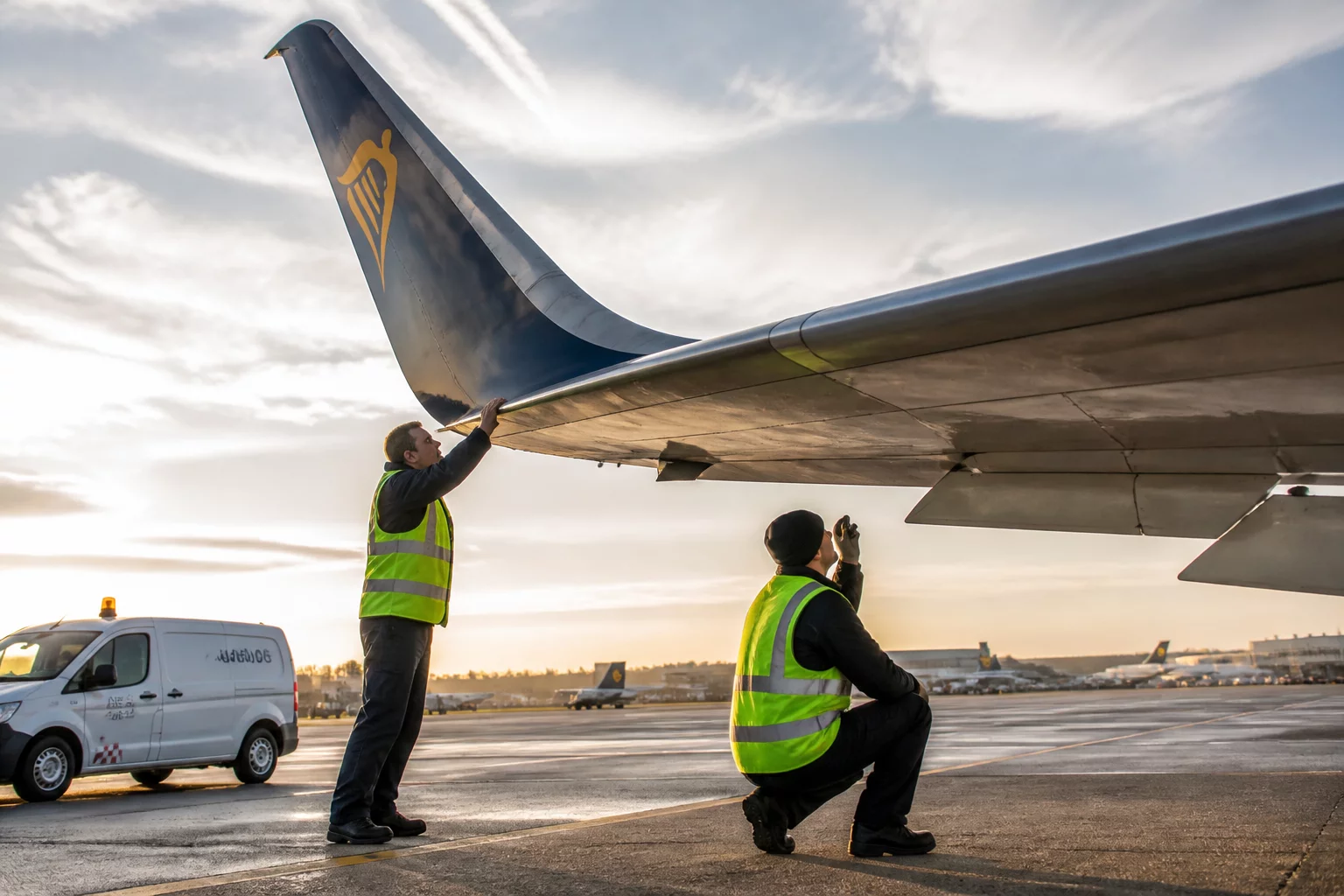
Technicians from Air Canada and Delta conducted ultrasonic structural checks on the affected wingtip and stabilizer assemblies. Both aircraft were subsequently towed to regional maintenance hangars for comprehensive aerodynamic surface restoration.
Airport Ground Congestion and Spatial Factors
Los Angeles International Airport is among the busiest hubs globally, handling dense waves of transborder and domestic aircraft simultaneously. As international carriers introduce newer airliners equipped with high-efficiency winglets and extended wing spans, physical clearance margins in legacy apron areas have narrowed considerably.
Aviation experts highlight that ground controllers rely heavily on advanced surface movement radar alongside precise visual coordination from pushback tug operators. When morning departures surge, tight spatial timing between pushback authorizations and active taxi clearances creates acute bottlenecks requiring constant vigilance.
Regulatory Inquiries and Surface Safety Guidelines
The Federal Aviation Administration (FAA) together with the National Transportation Safety Board (NTSB) has opened an official fact-finding inquiry to review voice communications, transponder telemetry, and ground marshal positioning. Transport Canada officials are closely following the review to evaluate transborder operational procedures.
Findings from this review are anticipated to inform updated pushback safety buffers and enhanced dual-guidance marshalling requirements across high-density transborder gates, reinforcing risk prevention across Canadian and international airline operations.
Dispatch Discussion & Perspectives
David
Glad to hear everyone is safe.
Submit Professional Commentary
Join the editorial discourse on Canadian airspace policy and commercial airline operations.