Network Rationalization & Fifth Freedom Phaseout
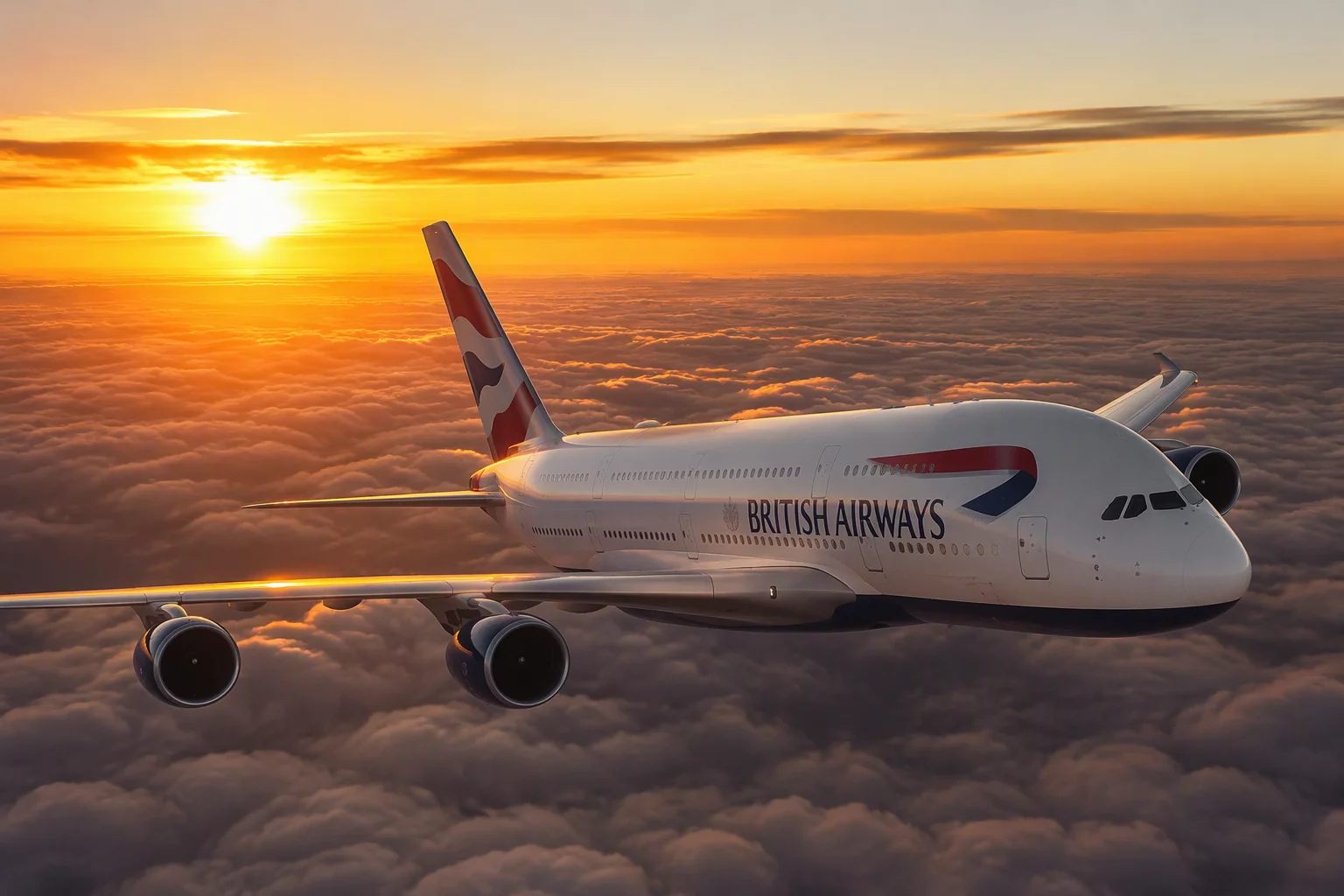
International route structures often carry operational complexities that outlive their commercial usefulness. Fifth freedom flights, which grant a carrier the right to transport revenue passengers between two foreign sovereign states on an itinerary that starts or finishes in the airline's home territory, have long served as strategic bridges. Air Canada has historically maintained such rights across multi-stop South American and transatlantic journeys, using tag legs to fill wide-body aircraft when point-to-point volume alone proved marginal.
Recent schedule filings indicate an orderly withdrawal from these intermediary sectors. Tightening crew duty time regulations, escalating outstation ground handling fees, and enhanced bilateral agreements between foreign regional carriers have eroded the profitability of operating tag legs. Mainline aircraft previously committed to multi-hour ground turnarounds in secondary foreign destinations will now turnaround immediately for return service into Montreal-Trudeau or Toronto Pearson.
"Retiring complex fifth freedom tags enables Air Canada to focus wide-body capacity where demand density and premium yields generate resilient returns."
— Arthur Vance, Lead Aviation Analyst
Wide-Body Fleet Reallocation Across Major Hubs
The withdrawal of these tag operations frees substantial block hours across the wide-body fleet. Airline planners have redirected these flight hours directly into core high-density markets across Europe and the Pacific Rim:
- Transpacific frequency additions out of Vancouver International Airport (YVR) targeting high-demand business centers.
- Consolidation of Boeing 787-9 Dreamliners onto seasonal European long-haul departures out of Montreal-Trudeau (YUL).
- Reinforcement of daily premium heavy Boeing 777-300ER capacity on transatlantic trunk routes from Toronto Pearson (YYZ).
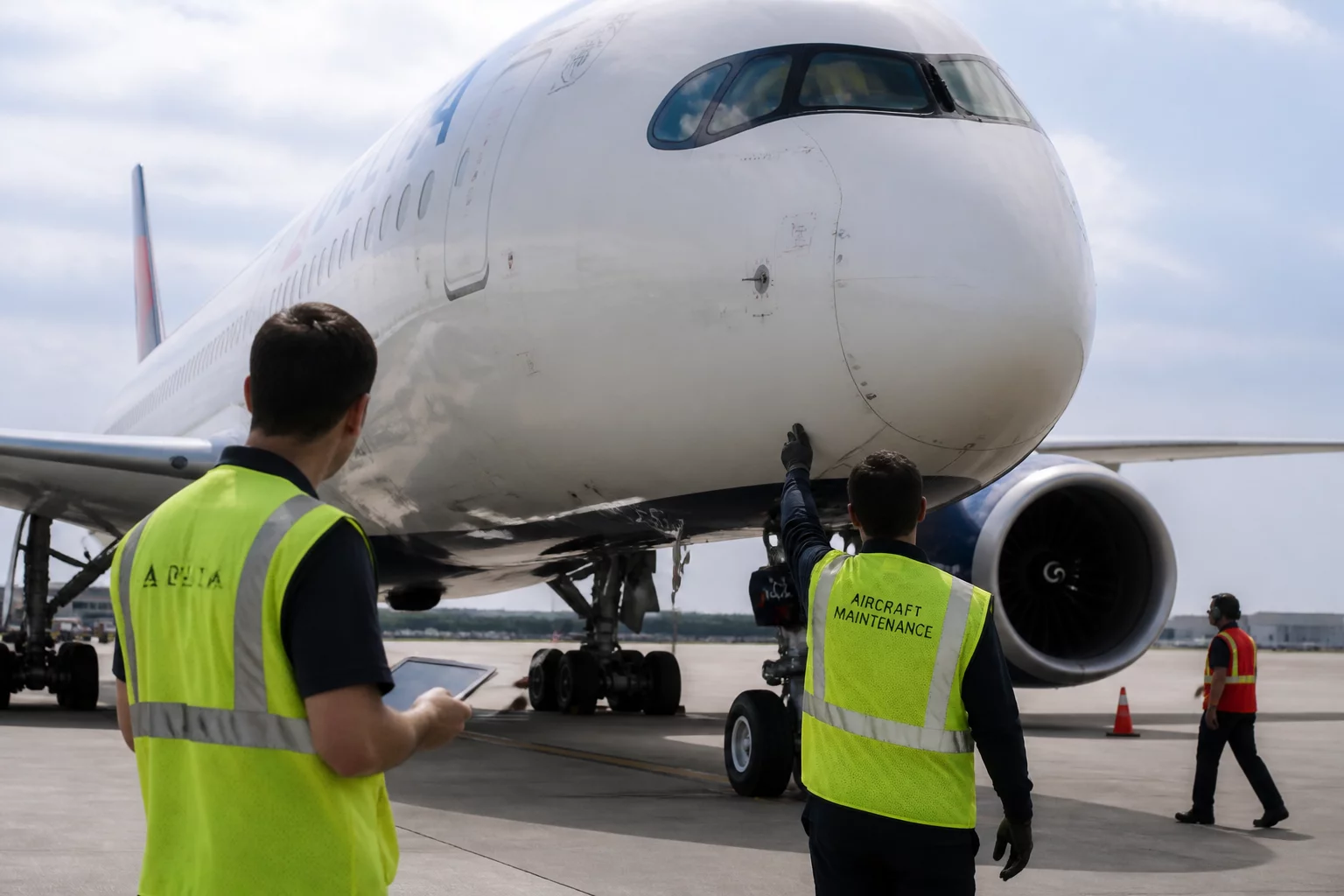
By eliminating outstation transit buffers in third-party airspace, the airline achieves superior aircraft turnaround efficiency. Maintenance schedules at main Canadian technical bases benefit from predictable rotation cycles, reducing unexpected mechanical disruptions away from domestic support infrastructure.
Yield Pressures and Rising Operating Overheads
Operating fifth freedom legs requires separate commercial distribution arrangements, local sales teams, and distinct regulatory compliance in each transit nation. When average stage lengths are short, fuel burn during takeoff and climb cycles drives up the total seat-mile expense without capturing corresponding premium business fares. Local budget airlines frequently undercut long-haul carriers on these intra-regional hops, depressing unit yields.
Eliminating the short connecting hops allows Air Canada to trim operational overhead while directing marketing budgets entirely toward originating Canadian traffic and international transit passengers flowing through its primary global gateways.
Alliance Synergy and Direct Point-to-Point Outlook
Rather than operating standalone tag routes, Air Canada will lean heavily on Star Alliance partner airlines and expanded interline codeshare pacts to distribute passengers beyond key arrival hubs. Passengers traveling onward to secondary cities will connect smoothly via partner flights with baggage checked through to final destinations.
This hub-and-spoke alliance model provides resilient passenger distribution without requiring Canadian aircraft and flight crews to remain deployed on complex multi-leg foreign itineraries. The streamlined route network positions the carrier to respond agilely to shifting transcontinental travel demand into the 2027 summer flying season.

Dispatch Discussion & Perspectives
Submit Professional Commentary
Join the editorial discourse on Canadian airspace policy and commercial airline operations.